
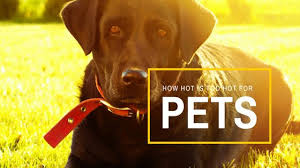
Frying an egg on the sidewalk during summer is not an expression in Texas. It is simply quicker than heating up the pan. These extreme temperatures affect more than our electricity bill. Our pets can suffer tremendously in the summertime heat.
So how hot is too hot for pets? While it depends on your specific animal and their breed, generally with lots of water, circulation of air, and shade, most pets will be fine in temperatures up to 90 degrees. There are no hard and fast rules. Dogs do not sweat. They cool off by panting. If it is hot enough, no amount of panting will cool them down.
It also depends on your dog. Short-snouted dogs do not cool off as easily through panting. Dogs whose breeds originated in cooler climates, such as Newfoundlands and Huskies, usually have a harder time adjusting to warmer temperatures.
A Dog in the Car Is a Really Good Way to Get Your Window Broken
The safe bet to avoid overheating and possible heat stroke is to keep pets out of the heat, but there are other steps you can take. The temperature inside a car can reach 104 degrees in ten minutes on an 85-degree day, even with the windows cracked. Many animal lovers would not hesitate to break a window if a dog is in distress. Do not put your pet or your window in that position.
Fried Egg Versus Fried Paw Pad
If it is 77 degrees outside on a sunny day, asphalt can be 125 degrees. You can fry an egg at 131 degrees. A good rule of thumb is this: if you cannot leave the back of your hand comfortably on the sidewalk for 11 seconds, it is too hot to walk your dog. Walk in the morning before the sun has heated the pavement.
Made in the Shade
Pets need access to shade in the summer. If you cannot bring pets inside during the hottest times of the day, make sure they have adequate shade and fresh, clean drinking water. A doghouse is not shade in the summer. It is an oven. Good shade is typically open on all sides, or at least three sides, for ventilation and covered on top.
Keep the setting and rising sun in mind when creating shady spots. You may need one shaded area in the morning and another in the afternoon to properly protect your pet.
Water, Water, Water
Fresh, clean drinking water is crucial during summer heat waves. In addition to drinking water, a small kiddie pool can be refreshing and can give a pet needed relief from the heat.
To Cut or Not to Cut
Pets have a natural cooling system built into their bodies. Our instinct may be to remove thick fur coats in the summertime, but shaving can expose skin that would otherwise be protected from the sun. Their fur blocks sun and helps them stay cool.
Brush and thin the undercoat during summer. Summer haircuts should be professionally done and kept long enough to leave your pet's natural cooling system intact.
Summertime does not have to be miserable or fatal for pets. Follow these safety tips and help keep your pet safe in the summer heat.
Watch for Signs of Heat Stroke
When it is at or above 90 degrees outside, watch for signs of heat stroke. This is especially true for dogs who are very young, old, overweight, not used to much exercise, have heart conditions, or have short muzzles.
- Excessive thirst
- Rapid heartbeat
- Fever
- Dizziness or lack of coordination
- Difficulty breathing
- Vomiting
- Deep red or purple tongue
- Seizure
- Unconsciousness
If you notice any of these symptoms during hot weather, move your pet immediately into shade or air conditioning. Apply cold towels or ice packs to the chest, neck, and head, and run cool water over them. Let them lick ice cubes or drink a small amount of water. Take them directly to your veterinarian or an emergency vet.