

A shelter does not become full all at once. It happens one kennel, one carrier, and one phone call at a time. A litter of kittens arrives. A young dog arrives. Then another family asks for help because they have more puppies than they can place.
The math can feel cold, but the work is not cold at all. Behind every number is an animal, a person, and a choice. Spay and neuter changes the math by lowering the number of animals who need rescue in the first place.
The Old Math Is Hard on Everyone
If more animals are born than there are safe homes, shelters and rescues are forced to carry the overflow. Staff stretch the day. Volunteers take one more foster. Donors help with food, medicine, and transport. Families wait longer for help.
That pressure is not a sign that people do not care. It is a sign that the system is being asked to solve a problem after it has already grown. PETS Clinic is built around a better question: what can we prevent before it reaches the shelter door?
The Better Math Starts with Prevention
A spay or neuter surgery stops future litters from that pet. When many families can get that care, the effect builds. Fewer accidental litters means fewer urgent posts, fewer packed intake days, and more room for the animals already waiting.
This is the intended outcome: not just more surgeries, but fewer crises. The surgery count matters because each one is a prevention point. It is one chance to make tomorrow lighter than today.
Prevention gives shelters more time, more space, and a better chance to say yes when the next animal needs help.
What Research Tells Us
Researchers in Albuquerque studied a targeted community cat program. Over three years, 11,746 cats were sterilized, vaccinated, returned, or adopted. Cat intake fell 37.6 percent. Cat euthanasia fell 84.1 percent. Those numbers show a community moving in the right direction.
A national study of 212 high-volume spay and neuter clinics also showed what happens when access drops. During COVID-19 disruptions, those clinics performed 190,818 fewer surgeries than expected in 2020 and 2021. The authors warned that the national gap was likely much larger.
That gap matters because delayed surgeries do not stay on paper. They can become puppies and kittens that need food, vaccines, homes, and shelter space. When access comes back, communities can start closing that gap.
What This Work Changes
- Spay and neuter is prevention, and prevention is kinder than crisis.
- Low-cost clinics help families act before money turns into a barrier.
- Community cat programs can reduce shelter intake when they are steady and targeted.
- Every fixed pet is one more step toward fewer unwanted litters.
- Every donor, client, and volunteer helps keep the prevention system moving.
Why PETS Clinic Keeps Pushing
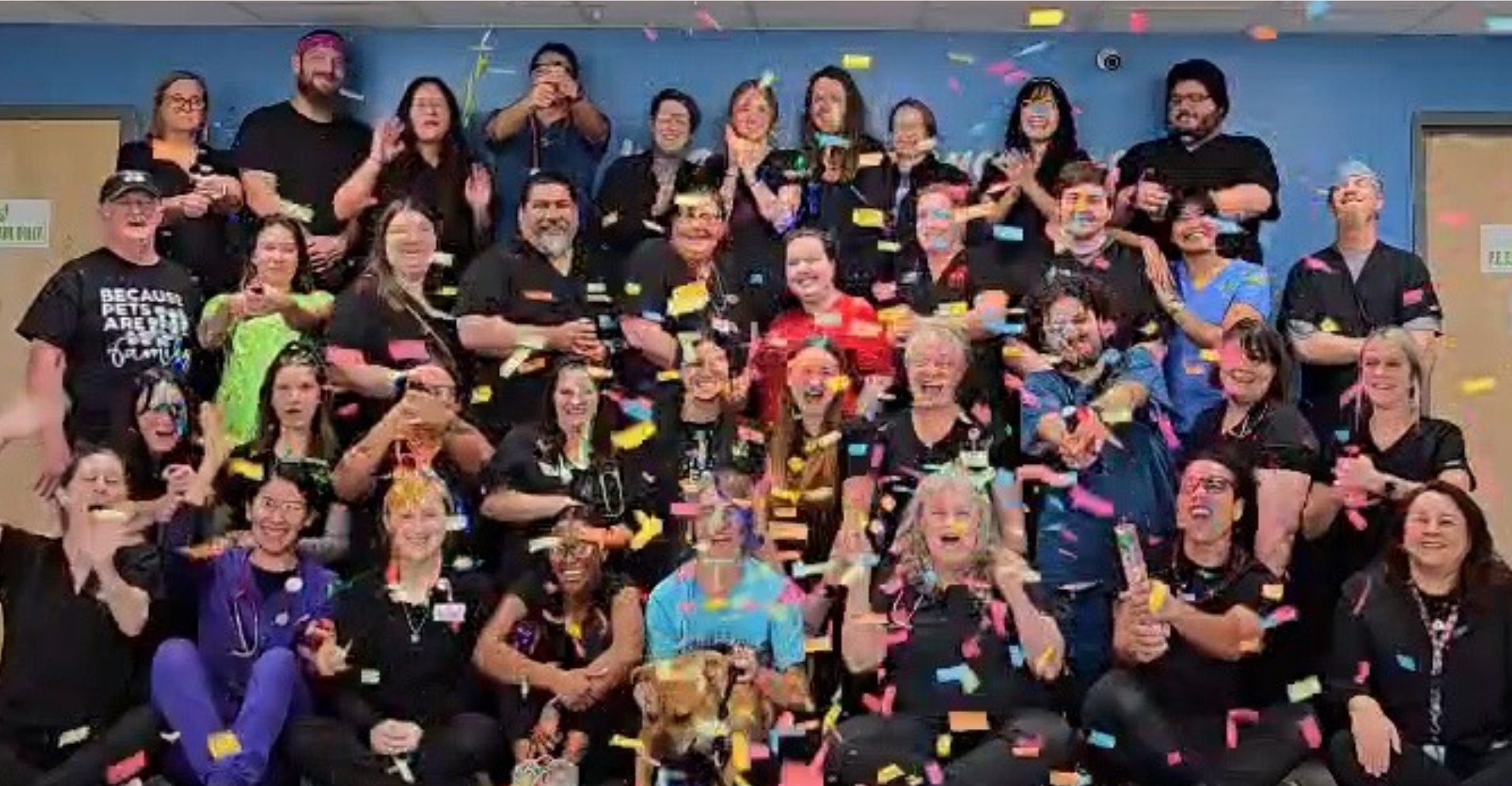
PETS Clinic has helped make more than 100,000 spay and neuter surgeries possible. That number deserves to be celebrated, but it is also a call to keep going. The need does not end because a milestone is reached.
The push is toward a community where fewer animals are born unwanted, fewer families feel trapped by cost, and fewer shelter workers have to make impossible choices. That is the work. It is big, but it is not vague. It happens appointment by appointment.
What the Public Can Do Next
If you have a pet who needs surgery, schedule the appointment. If you know someone with a new puppy or kitten, help them find the clinic before the first litter happens. If you can donate, give toward access. If you can volunteer, help the team keep care moving.
The community math changes when enough people choose prevention at the same time. That is how fewer unwanted litters become fewer crowded shelters. That is how a clinic visit becomes a community win.